Unraveling the Enigma of Answer Engine Optimization (AEO)
When I first stumbled upon the term Answer Engine Optimization (AEO), it felt like I had walked into a sci-fi movie where jargon is dispensed like candy – enticing but baffling. You see, AEO is the new kid on the block, synonymous with AI search optimization, riding the coattails of its media-savvy siblings: GEO, AIO, and LLM visibility. But let’s not get tangled in a semantic quagmire; we’ll stick with AEO for simplicity’s sake. 🌟
Now, it’s easy to feel a slight sense of panic, as if everyone but you has been privy to this secret societal shift in digital marketing. But rest assured, you haven’t missed the golden memo. The terms are just settling in their oversized chairs, still finding their footing in this ever-evolving digital landscape.
The Core of AEO
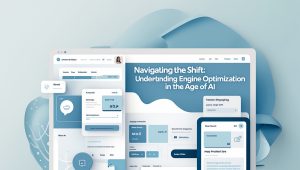
So, what is AEO, really? At its heart, it’s about making your content a delightful read for robots (or AI systems, if you want to be formal about it). In practice, this means crafting information that is clear, credible, and easily digestible for our mechanical friends. Unlike traditional SEO, which has you obsessing over page clicks and ranking positions, AEO is laser-focused on how well your content gets acknowledged, cited, and recommended in AI-generated results.
Let’s break it down, folks:
- Mentioned: Your brand pops up in the conversation.
- Cited: Your content is referenced as a source.
- Recommended: Your brand gets suggested as a viable option.
These terms sound distinctly academic, but they nuance everything. A mention means you’re in the chat, but it’s essentially you shouting at a crowd. A citation sends the curious to your doorstep, while a recommendation is like a friend nudging someone toward you because they believe you have the answer.
Navigating Sources for AI Information
Now, let’s get down to the nitty-gritty of where AI answers actually source their information. Surprisingly, these digital sages aren’t referencing the same old encyclopedias we grew up with. Instead, they delve into three primary reservoirs:
1. **Company Websites:** This is where the magic happens for brands like yours. If you’re producing targeted, useful content, you’re paving your path straight to AI citations.
2. **Independent Sources:** Reviews, comparisons, news articles – these help substantiate your brand’s reputation from an outsider’s viewpoint.
3. **Social Platforms:** Platforms like Reddit and YouTube can offer community insights. But don’t let one platform dictate your entire strategy; trends can shift faster than a toddler’s attention span.
If AI tools can’t find meaningful references on your site or relate it to current conversations online, your visibility may wane like a forgotten doughnut at a kid’s birthday party. 🍩
Where Smaller Brands Can Make Their Mark
In the AEO world, big names might have more brand chatter overall, but do they truly corner the market? Not necessarily. Smaller brands often have the upper hand when it comes to knowing their audience intimately. 🤝 You understand your customer’s recurring interrogations, along with the nuanced details they crave but are often overlooked by the towering giants of the industry.
It’s simple: hone in on your customer’s essential questions and answer them with precision. Don’t worry about publishing every episode of your brand saga; instead, aim to deliver compelling, crystal-clear content that provides genuine value.
Let’s consider an example. If a local bakery crafting a proposal for website builders illustrates hands-on expertise alongside generic options, who do you think will resonate more with the audience? Spoiler: it’s the bakery!
Understanding the “Fan-Out” of AI Search Queries
One glorious aspect of an AI search tool is how it processes complex questions. Take the query, “What’s the best website builder for a small bakery?” The AI navigates through a plethora of interconnected decisions, such as hosting reliability, e-commerce capabilities, and pricing, before synthesizing a coherent answer.
Google aptly calls this “fan-out,” as it discreetly runs sub-queries to weave together an informative response. If you want to seize the attention of your audience, answer the core question while addressing the potential following inquiries that spring forth naturally.
Comparing AEO to SEO
The central dichotomy between AEO and SEO is clear: while SEO is fixated on garnering clicks, AEO cares about securing mentions and citations in AI responses. They aren’t adversaries; AEO builds upon the robust foundation of SEO, rather than obliterating it entirely.
Search engines still require that vital content-creation craft. Publish helpful resources that prioritize clarity. Structure them sensibly. Establish your credibility, both on your site and outside it.
Tracking Your AEO Success
Let’s be honest, measuring AEO is a little different from traditional SEO because it incorporates a new visibility layer. Dedicated visibility tools can be costly. Luckily, there’s a budget-friendly way to test the waters.
Create a simple spreadsheet and ask a few essential questions your customers might have. Treat it as a personal progress report, not a complex analytics analysis. Take note of where your brand pops up in AI responses and track this over time. Is it gaining traction? Are you getting clicks? Are people engaging with your content effectively?
As we plunge deeper into the AEO rabbit hole, it’s crucial to recognize this as an evolution of SEO and proficient writing rather than an entirely new