Unveiling Competitive Analysis: The Key to Outshining Your Rivals
I know what you’re thinking—another buzzword, right? Competitive analysis. It sounds like a nerd fest, a bunch of stat geeks flexing their number-crunching skills. But let me tell you, dive deeper into this realm and you’ll realize it’s not just a corporate exercise; it’s a survival tool in this dog-eat-dog world of business. 🐶
So, what exactly is competitive analysis? To put it simply, it’s the rigorous examination of your rivals to identify their strengths and weaknesses, giving you the edge to elevate your brand. Think of it as a strategic game of chess, where understanding your opponent is non-negotiable—you wouldn’t charge headfirst without knowing what the other side has up its sleeve, would you?
The Basics: Why Should You Care?
I understand that for many entrepreneurs, the first instinct is to focus solely on their unique selling points (USPs). After all, your brand is your baby, and why bother dealing with the others when you’ve got your shiny capabilities to show off? But here’s the thing: If you’re not mindful of what your competitors are doing, you might end up existing in a vacuum—a precarious place to be.
Competitors are not just out to steal your thunder; they shape the very environment in which you operate. Their marketing tactics, customer engagement strategies, product offerings, and yes, even their failures provide a goldmine of data. There’s a rich tapestry of lessons waiting to be unraveled, ready to fuel your trajectory to the top. 🚀
Steps to Conducting a Competitive Analysis
Ready for some actionable insights? Here’s a straightforward process to embark upon this enlightening journey:
1. Identify Your Competitors
Every business has its rivals, whether you’re keen on acknowledging them or not. Start with a mix of direct competitors—those who offer similar products—and indirect competitors—brands whose products might not be the same but are vying for the same audience. Do your homework, and gather a list that’s thorough but not overwhelming.
2. Analyze Their Offerings
Now that you’ve identified the players, it’s time to assess what’s on their plates. What products or services do they provide? What makes their offerings compelling or lackluster? Knowing this can help you carve out your niche. A little bit of lively analysis will highlight gaps in their strategies that your brand could fill.
3. Assess Their Marketing Strategies
How do they promote their products? Are their social media channels buzzing, or are they a ghost town? I believe that an audit of their marketing strategies can yield some eye-opening revelations. What tone do they adopt? Are they saturating the market with influencer partnerships, or is their approach more traditional? Peeking into their world can inspire—or warn—you of potential pitfalls.
4. Review Their Customer Engagement
In the age of the consumer, customer engagement is paramount. Are they nurturing relationships with their clientele? Check out their reviews, social media comments, and customer service channels. Sometimes, it’s the little things that matter—prompt responses can underscore a brand’s commitment to customer satisfaction.
Integrating Insights into Your Strategy
After diligently conducting your analysis, you’ll be left with an arsenal of insights. I often liken this to a buffet table—you can walk away with a plateful of great ideas. But it’s not just about imitation; it’s about innovation! Reflect on how you can enhance your offerings based on your findings.
Want to seize attention? Develop a unique value proposition that stands out against the backdrop of your competitors. Remember, it’s not enough to be good; you need to be different.
Creating a Template for Your Analysis
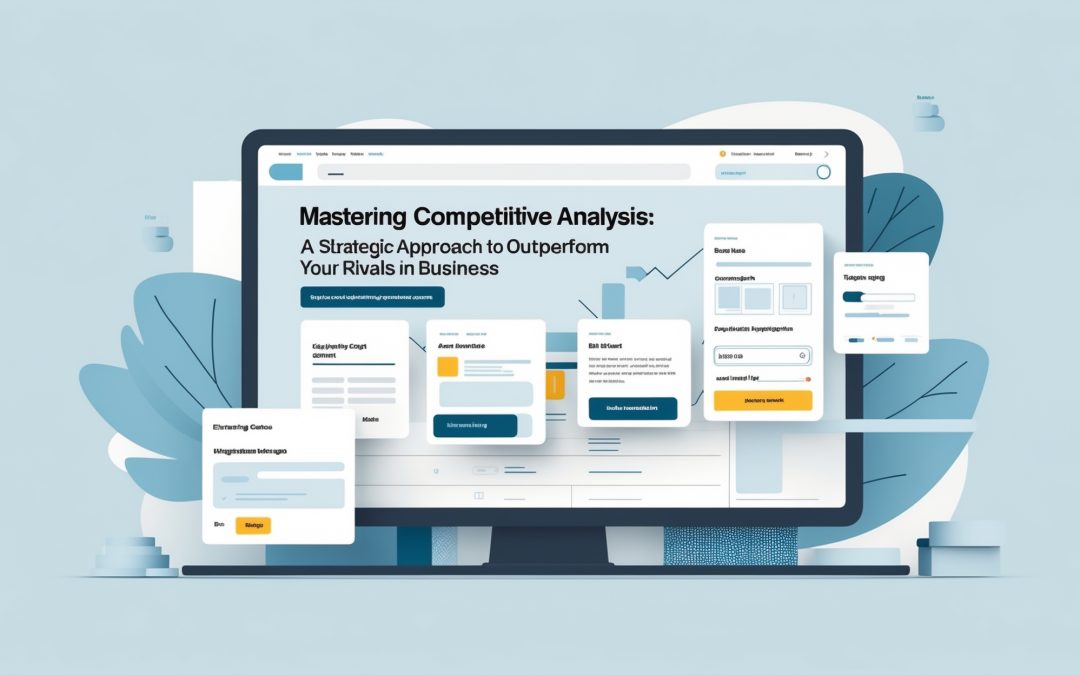
I always recommend distilling your findings into a template, something that you can revisit. Your template should include:
– Competitor Name
– Key Products/Services
– Target Audience
– Marketing Channels
– Pricing Strategies
– Strengths and Weaknesses
It’s a simple format, but it can powerfully visualize the competitive landscape.
Final Thoughts: The Value of Continuous Monitoring
Engaging in competitive analysis isn’t a one-time affair; it’s an ongoing process. Markets fluctuate, trends evolve, and competitors—like weird and wily jack-in-the-boxes—can pop up when you least expect it. Continuous monitoring will keep your strategy fresh and relevant. I firmly believe that maintaining a pulse on your competition can directly impact your success.
In a world dominated by choices, the brands that stand out are the ones that adapt, innovate, and continually refine their strategies. So, gather your data, sift through the numbers, and use your competitive analysis as a catalyst for your growth. The battlefield is constantly shifting, and it’s time for you to be a relentless strategist. 🔍