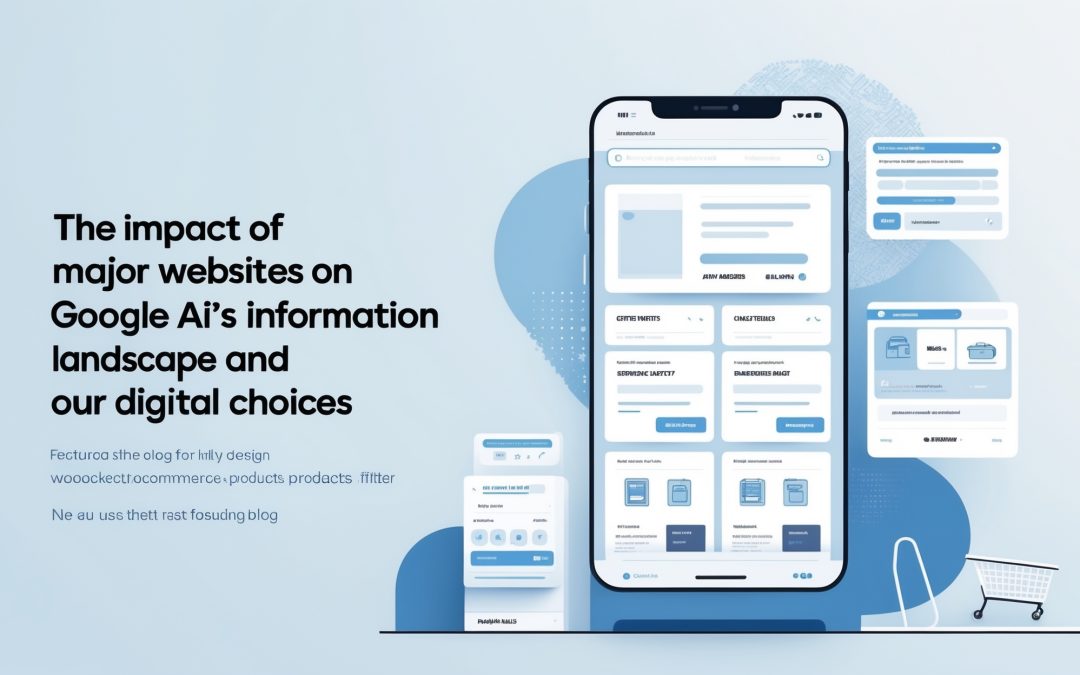
The Dominance of the Digital Titans in Google’s AI Overviews
In the sprawling universe of the internet, where cats and conspiracy theories reign supreme, you might wonder which websites have implanted themselves deep in the psyche of Google’s AI. That’s right; I’m diving headfirst into the rather mesmerizing results of a recent analysis that took a gander at millions of prompt responses. As I sift through this data, I can’t help but feel both excited and a tad unnerved by the sheer dominance of a few digital players. 🕵️♂️
So, Who Are the Contenders?
Let’s cut to the chase. According to the analysis, the websites that appear most frequently in the responses generated by Google’s AI aren’t just your run-of-the-mill blogs or obscure corners of the internet. No, we’re talking about heavyweights—household names that snag our attention like the latest social media scandal! Among the most-cited domains are Wikipedia, the undying encyclopedia that seems to hold every piece of trivia humanity has to offer, and Reddit, where discussions range from the profound to the utterly absurd.
Think of it this way: these platforms are the first ports of call for many—I mean, who hasn’t dived into the rabbit hole of Wikipedia on a sleepless night? 🐇 I find it fascinating how these sites have mastered the sweet science of making information accessible, and Google, our ever-watchful overseer, rewards that mastery with visibility.
The Why Behind Their Popularity
But why do these sites dominate? I believe the answer lies in a concoction of user-friendliness and a relentless commitment to providing answers. For Google’s algorithms, having a trustworthy source of information isn’t just desirable; it’s essential. Strikingly, Wikipedia garners around 32% of all citations on Google’s AI Overviews. I see this as a testament to its reputation—providing quick and diverse information that a countless number of people trust.
Then there’s Reddit, that unfiltered microcosm of humanity. Community-driven, it thrives on engagement. Whether you’re seeking advice on obscure issues or indulging in the latest meme format, Reddit has it all. I know what it’s like to get sucked into an endless scroll of comments and headlines that spark both laughter and tête-à-têtes. 👀
Other Noteworthy Mentions
Not to be outdone, we have the likes of Quora, which thrives on user-generated content and knowledge sharing. The allure of Quora lies in its ability to pool together insights from experts and enthusiasts alike. It has this uncanny knack for distilling complex topics into digestible bites—an art form in itself. I think these platforms exemplify the adage “knowledge is power,” but they also underscore that power is also about how and where we access that knowledge.
But let’s not forget Google itself, which takes the fourth spot! One could argue that this isn’t entirely surprising, given that it’s the very engine that powers our searches. Perhaps it’s tantamount to a chef eating at their own restaurant. Hilarious, in its own right, as it grapples with both its strengths and weaknesses in a world driven by algorithms.
Why Should We Care?
At this point, you may ask, “Why should I care about these stats?” Well, dear reader, the websites that populate these AI responses reflect broader societal behaviors and trends. Understanding which platforms Google tends to favor can lend insight into what’s likely to inform our conversations, cultural touchstones, and media consumption. It’s a reminder that the digital world is not as chaotic as it appears; certain patterns and trends govern it, and we’re all dance partners in this bizarre ballet. 🩰
I am convinced that in the rapidly evolving landscape of information, knowing which websites hold sway can help us become more discerning consumers of content. With the right knowledge, we can navigate the digital maze more effectively and wield our clicks with intention.
In Conclusion
As I wrap up this digital soiree, it’s clear that the landscape of what Google’s AI highlights is dictated by a few major players swimming in the vast ocean of the internet. While I shuffle through the endless flux of information, I can’t help but envision a world where our Rogers and Ethelston’s of the digital age create a permanent mark on this intangible fabric.
Keep this in mind: the websites that Google favors could very well shape our understanding of the world. So, the next time you find yourself tumbling down a rabbit hole, remember the foundational pillars of information that keep us informed—and, let’s be honest, mildly entertained. 🤔