ChatGPT Citations: A Dramatic Shift Post-GPT-5.5
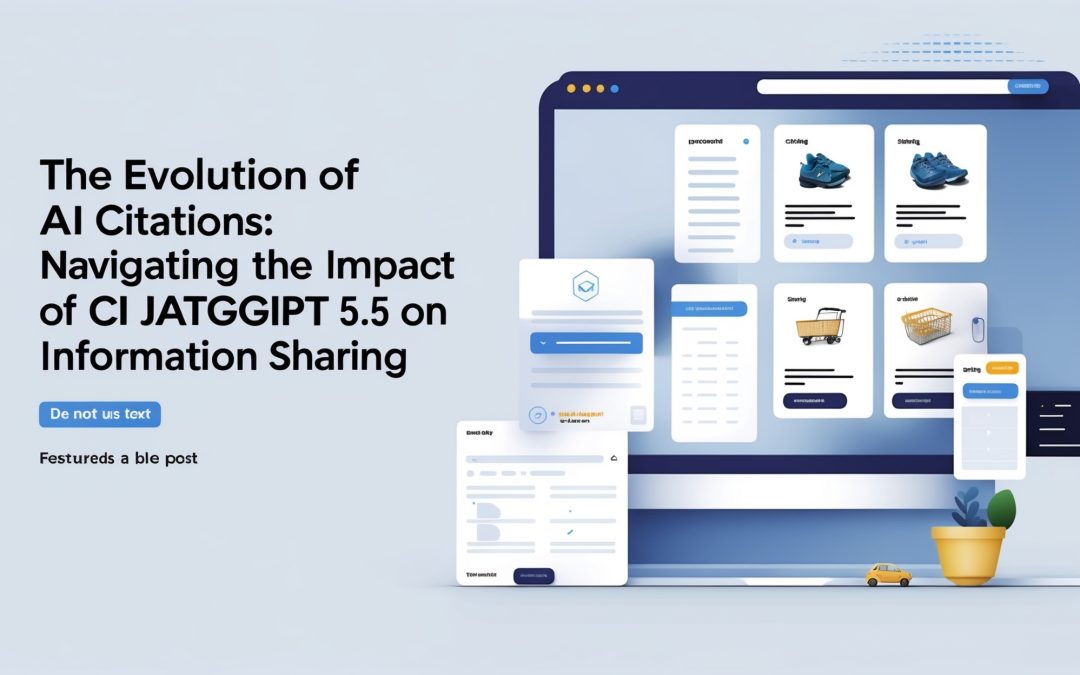
I know what you’re thinking: how could an update to an AI chatbot possibly alter citation patterns? Isn’t that the very definition of a niche concern? Yet, here we are, staring into the abyss of the latest ChatGPT update, 5.5, and the chaotic dance it seems to have ignited in the realm of information sharing. Buckle in, because the landscape of AI-driven citation is shifting faster than a cat meme going viral. 🐱
The Transition We Didn’t Know We Needed
When GPT-5.5 surfaced, the predicted ripple effects were likened to a core update in the world of search engines. But rather than just adjusting ranking algorithms, we’re witnessing something inherently more profound: a change in how AI interprets and presents information. I mean, this is the stuff tech journalists dream about, right? It’s like watching an online reality show where the character development is driven by an obscure set of coding rules.
But why should we care? A philosophical question, I grant you, but entertain me here. In an age where credibility hangs by a fragile thread, the integrity of citations—those tidbits of information one might think bolsters a claim—matters profoundly. 🤔
The Before and After
Before the storm that is GPT-5.5, citations were more straightforward. Most often, they served as a quick nod to the source of the information—think of it as a polite “thank you” to the page you just scrolled past while trying to grasp the latest conspiracy theory. However, following this new update, the data suggests a paradigm shift. The AI now appears to have adopted an approach that not only assesses content but also tailors the outputs in a manner that aligns more with the conversational tone of the text.
So, what does that mean for us? Well, we go from a veritable laundry list of references—depersonalized, sterile, and often plucked from the depths of academic obscurity—to a format that embodies a more contextual interpretation. SSI data suggests more fluidity in how citations are generated, which could well mean a better, more engaging interaction. Hooray for emotional connections to data, right?
Citations: An Art Form? 🎨
You might be wondering: can a citation even be considered an art form? I would argue yes. It’s a dance of linguistic nuance, and GPT-5.5 has added some new steps to that choreography. In essence, citations are no longer just dry facts embedded within a sea of text; they are becoming alive, breathing entities that reflect today’s frenzy of information consumption.
By taking a dynamic approach, it allows for more creativity in the delivery. I understand that some may argue the sanctity of academic rigor is at stake here. But in a world overflowing with decontextualized information, a fresh approach might be precisely what audiences need to salvage their attention spans. Amidst the data avalanche, sometimes it’s a little context that keeps us afloat.
The Mixed Bag of Reactions
Naturally, every tech update comes with its share of critics (isn’t that just part of being human?). Some experts lament this newfound flexibility in citation practices—after all, if we begin to treat citations like a pair of well-worn jeans, slipping them on without due diligence, isn’t there a chance we risk diluting credibility? I understand the concern; the academia of yesteryear cherished the rigid structures of citation formats like they were a knight in shining armor. But here’s the catch: is rigid citation thriving, or just surviving?
In my eyes, this update poses a thought-provoking question. As creators and consumers in this wild world of content, are we prepared to adapt to a landscape where AI proposes and re-interprets the very fabric of what we understand as fact and fiction? Because the implications are massive. It means we need to be sharper, more critical, and ultimately more savvy than ever amidst evolving norms.
The Future of AI Citations
So, what’s next? Perhaps we’re staring down the barrel of a futurist’s utopia where AI seamlessly integrates citations into a seamless narrative, like a skilled DJ blending tracks at a dance party. But I am also acutely aware of the reality that this balance is precarious. The deluge of citations morphing into an art form doesn’t excuse a lack of veracity.
In retrospect, the transition post-GPT-5.5 widens the horizon, but we must still travel this path with caution. With more artistic liberties granted to AI-generated text, accountability should remain our guiding principle.
To put it succinctly, the exciting evolution of AI in citation practices might be the fresh breeze we desperately need, but it’s also a clarion call to safeguard truth. So, let’s engage, critique, and navigate through this brave new world—because who knew citations could spark such profound discourse? 🌍