How Search Engines Tailor Results to Individual Users
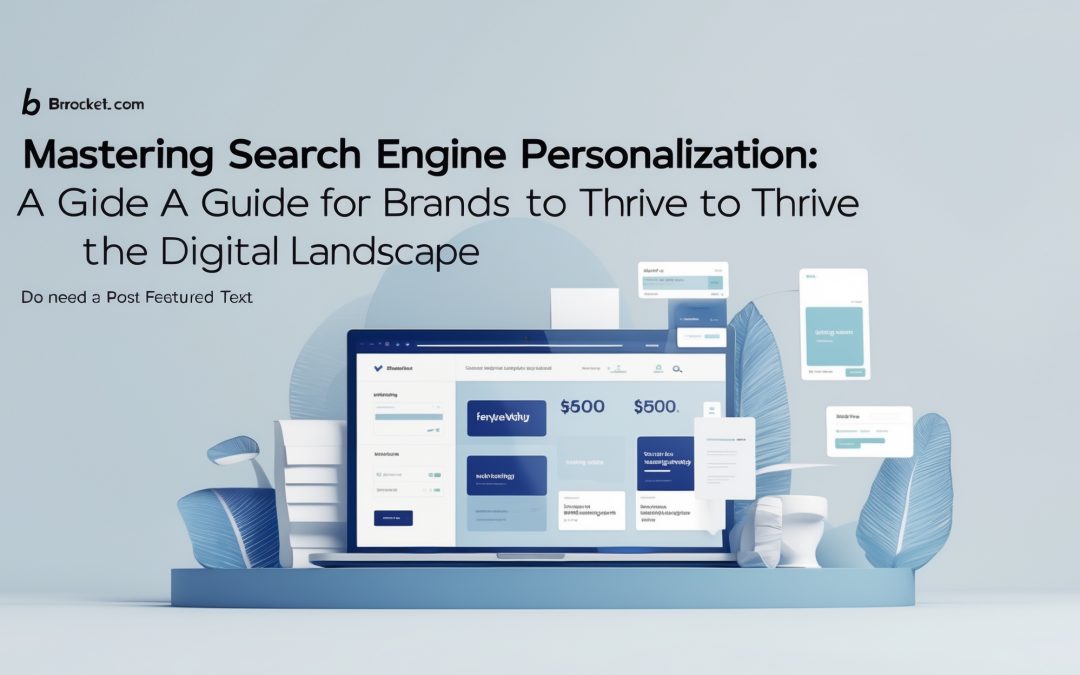
In today’s world, where information is just a few clicks away, understanding how search engines curate results for individual users is vital for brands hoping to secure their slice of the digital pie. Tailoring results is not just an algorithmic dance; it’s a delicate act that influences businesses across the globe. Believe me when I say that brands that ignore this dynamic risk being lost in the digital ether where attention spans are shorter than a tweet.
The Personalization Revolution
I know, it might seem like a no-brainer, but personalization in search engine results is a game-changer. Picture this: you search for “best pizza places near me,” and the results aren’t just generic listings. Instead, they’re tailored to your previous searches, your location, and perhaps even the current day of the week. 🗓️ This isn’t witchcraft; it’s data analytics mixed with a sprinkle of user behavior psychology.
Search engines have evolved to create a user-centric experience. They’re not merely databases but savvy matchmakers that pair users with information they’re most likely to engage with. This isn’t just about showing relevant results; it’s about predicting what users want even before they know they want it. In a sense, search engines become an extension of our own minds, reading our interests and preferences like an open book.
The Technology Behind Personalization
But how exactly do search engines tailor results? Well, it all relies on algorithms that crunch oodles of data about user behavior. From keywords typed into search bars to the time spent on various sites, every breadcrumb of interaction helps paint a clearer picture of the individual user.
I find it fascinating how machine learning and artificial intelligence work hand-in-hand in this realm. These sophisticated systems adapt based on the vast amounts of data they collect, allowing them to surf the wave of user trends effectively. For brands, this is both an opportunity and a challenge. Brands must not only position themselves better but also understand how to unify their signals across myriad platforms.
The Need for Brand Uniformity
Long gone are the days of siloed marketing strategies where a brand could throw out a one-size-fits-all campaign and hope for success. Today, it is imperative to have uniformity in messaging across search engines, AI platforms, and on-site experiences. Trust me, if a brand appears disjointed, users will bounce faster than a rubber ball at a summer picnic.
So, where do brands start this process of unifying signals? Firstly, an audit of existing content and messaging is essential. Do they resonate with the target audience? Are they aligned across all platforms? Brands should strive to reduce any friction points that could disrupt a user’s interaction with them. This means harmonizing everything from the website layout to social media posts and paid ads.
The AI Factor: Collaboration or Competition?
As brands navigate this maze of digital strategy with increased reliance on AI, the question naturally arises: is AI a collaborator or a competitor? I believe it’s both. AI can enhance brand strategies, providing valuable insights into user behavior and preferences that enable hyper-targeted marketing campaigns. But it’s also essential to remain vigilant. The more data we feed these digital beasts, the more they learn about us, and the easier it becomes for them to replace certain human-centered roles within marketing teams.
🔍 The reality is, while AI has the potential to augment our understanding and engagement with users, we must remain the architects of our brand narratives. After all, no algorithm can replicate genuine human connection. I often think about how brands can harness the power of AI while ensuring the human touch remains at the heart of their messaging.
Conclusion: The Way Forward
Ultimately, brands looking to thrive in this hyper-personalized ecosystem must adopt a proactive approach. They need to embrace the intricacies of search engine personalization while maintaining a clear, coherent voice across all platforms. It’s all about weaving brand stories that resonate deeply with individual users.
Let’s not forget: as we plunge further into the depths of digital marketing, the importance of understanding how search engines tailor results for individual users will only grow. It’s a powerful tool in a brand’s arsenal—one that can secure stronger market performance if utilized effectively.
So, if you’re a brand looking to leave a mark in this vast digital landscape, remember: personalization is the name of the game, and unifying your brand signals is the master key that will unlock success. 🌟