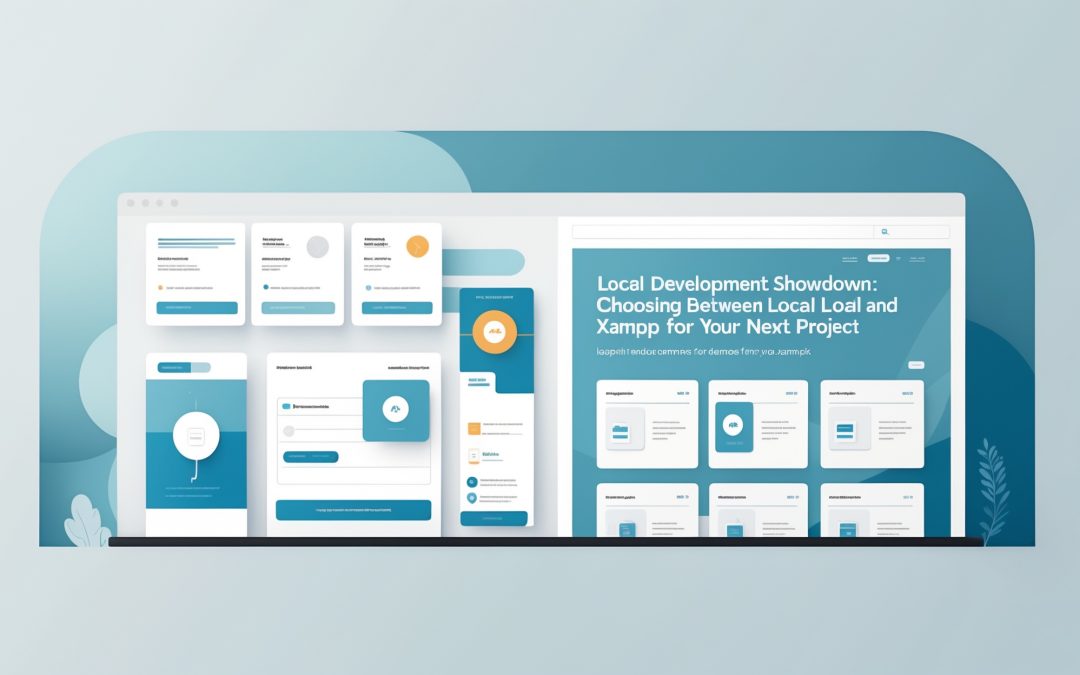
Local vs XAMPP: Which Should You Use for Local Development?
When diving into the bustling realm of local development, the sheer number of available choices can feel like a double-edged sword. On one hand, we’re privileged with options; on the other, it quickly turns into decision fatigue. If you’re about to venture into the world of local development and weighing the merits of Local and XAMPP, you’ve landed on the right post. Buckle up as we delve deep into this face-off between two of the most popular tools 🚀.
Setting the Stage: Local vs XAMPP
I’ll be honest: the initiation process of Local and XAMPP is where their paths start to diverge. Both are free to use, accessible to developers at all levels, and built with testing and development at their core. Yet, when it comes to setup, they take notably different approaches.
Local: Intuitive from the Get-Go
Getting started with Local is a breeze. Head to the Local website, grab the version tailored for your operating system, and run through the installation—a straightforward affair reminiscent of any standard software. The beauty here lies in its simplicity; you’ll breeze through initial configurations, merely selecting your preferred language and agreeing to the terms of service.
Once in, you’ll find that Local is tailored for swift and seamless development. You’re clicking “Create a New Site” before you can even finish that cup of coffee ☕.
XAMPP: For the Brave and the Bold
XAMPP, conversely, requires a bit more grit. Download the appropriate version from the official site and, like a seasoned craftsman, manually select the components you wish to install—Apache, MySQL, PHP, and Perl. Afterward, you’re spirit-guided by the whims of the XAMPP control panel as you start services and set up your local server. It’s definitely more for those who want a feel of control over every detail, but be prepared for a steeper learning curve.
Creating Development Sites: Local vs XAMPP
Once you’ve successfully jumped through the hoops of installation, the fun really begins.
Local: One-Click Wonder
Creating a site in Local is like a walk in the park. Tap that “Create a New Site” button, name your project, specify the local domain, and off you go! The platform even installs WordPress for you—leaving you with the sole task of entering your admin credentials to access the WordPress dashboard. Talk about convenient!
XAMPP: The Hands-On Experience
On the flip side, XAMPP offers a more manual route. Fire up the XAMPP Control Panel, start Apache and MySQL, and then the real work begins. You must download WordPress, place it in your htdocs folder, set up a database, and navigate through a manual installation process. It’s slightly torturous for someone who’s just looking to whip up a quick development site, but the reward? A deeper understanding of the machinery under the hood.
Importing Existing Sites: An Epic Showdown
Importing a site naturally varies between these two platforms as well.
Local: Smooth Sailing
Local makes importing a site feel like child’s play. Users with accounts at WP Engine or Flywheel can utilize Local’s Connect feature for seamless site management. For everyone else, you can easily drag-and-drop a zip file containing your site’s components. It’s a streamlined process that enhances efficiency and reduces headaches.
XAMPP: Manual Might, But a Bit Clunky
XAMPP, alas, is not so forgiving. You’ll need to export your database and compress files into a ZIP before hopping through a series of steps that even seasoned developers might find tedious. Each detail matters here, and let’s just say, if you’re not comfortable navigating your way through PHPMyAdmin and tweaking configuration settings, you might want to reconsider your choice.
User Interface: Local’s Ease vs. XAMPP’s Functionality
Every development experience is heavily influenced by the user interface.
Local: A Breath of Fresh Air
Local boasts a beautifully designed user interface, divided neatly into sections for Sites, Blueprints, and Add-ons. Need to quickly manage multiple WordPress sites? Done! Want to save configurations to streamline future projects? No problem! The ease-of-use factor is palpable, making every click feel like a joy rather than a chore.
XAMPP: Like a Nostalgic Throwback
XAMPP takes a more utilitarian approach with its control panel. Sure, it’s straightforward, but one might argue it’s more analogous to visiting your grandfather’s attic—functional but not wining any aesthetic awards. You’re managing servers rather than projects, and while this appeals to tech-savvy users, it’s less welcomed by those seeking a more elegantly wrapped package.
Features Galore: What They Offer
Both Local and XAMPP come dressed to impress, albeit in different ways.
Local: A Suite of Gems
Local’s suite of features includes one-click installations, SSL support, and the game-changing Live Link feature—allowing you to share work in real-time. If that doesn’t sound like a developer’s dream, I don’t know what does!
XAMPP: The Robust Toolbox
On the flip side, XAMPP’s diverse ecosystem running on multiple platforms and robust support for various CMSs ensures its longevity and versatility. However, discovering and leveraging these features often requires a technical adeptness