AI Website Building: Separating Hype from Reality
Ah, the world of website building! A relentless cycle of iteration, improvement, and downright bewilderment. Today, with artificial intelligence (AI) slinking into every corner of our digital lives, it seems as though the promise of instant web presence is hotter than ever. But let’s be honest – does AI really have what it takes to transform the arduous task of building a website into a simple click-and-go affair? Or are we merely feasting on the latest tech hype?
The Alluring Promise of Instant Sites
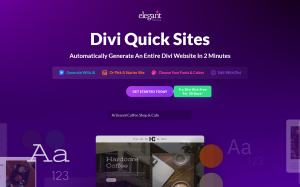
I’ve seen it myself – AI prototyping tools that boast about generating websites in seconds, like a dazzling magician pulling rabbits out of hats. The advertisements flash before my eyes, alluring me with promises of high-quality aesthetics and functionality without the need to lift a finger. As I dive deeper, skepticism nudges me: what exactly are we sacrificing for this instant gratification?
AI website builders, the shiny toys in the realm of digital creation, promise lightweight, scalable solutions for the time-starved entrepreneur. Why spend hours wrangling code or wrestling with layouts when you can simply type your ideas and—poof!—an entire site emerges? For the everyday person who lies awake at night dreaming of launching an online store or blog, the appeal is undeniable. But does anyone stop to ask if these creations will endure, or if they’re just fleeting smoke and mirrors? 🤔
The Issue of Longevity
This brings us to a pivotal question: can these quick-fix solutions withstand the test of time? I think back to my experience with WordPress.com, a platform that, while it may take longer to set up, bestows upon me an impressive arsenal of features and full ownership of my creation. It’s like the difference between a flashy first date and a stable, long-term relationship. Sure, the AI websites might dazzle initially, but as with all things sparkling, eventually, the shine wears off.
When comparing lightweight builders to more holistic platforms like WordPress, I can’t help but notice the limitations inherent in those quick-fix websites. Sure, they come with sleek designs and some sparkly features, but as soon as you think of customization? Let’s just say you might as well be trying to connect a Bluetooth printer to a dial-up modem. The moment you hit any functionality wall, you’re left with a subpar experience, wondering why you didn’t invest that extra time and effort into choosing a more robust solution.
Functionality vs. Convenience
I frequently encounter entrepreneurs who leap at the prospect of instant site creation, seduced by its shimmering surface. But in an era focused on functionality, we all know that a robust feature set beats fool’s gold any day. With WordPress, your site’s built on solid ground, and it will grow with you as your aspirations expand beyond the initial spark. The idea that a simple AI generator could suffice for any long-term project seems a bit naïve.
What does this mean for small businesses or independent creators? My belief is that relying on these short-term solutions might be walking a tightrope over an abyss of uncertainty. The discomforting truth is that while these tools can quickly whip up a website, they might leave you bereft of branding, full ownership, and the capability to create a identity online that resonates with authenticity.
The Marketing Mirage
Let’s not sidestep the marketing surrounding these AI tools. The information peddled by their creators often sounds a little like the world’s most extravagant buffet—endless possibilities, all enticingly presented, but ultimately leaving you bloated and unsatisfied. I mean, how many of us have utopian visions of setting up an online empire with just a few clicks, only to be met with reality’s cold, hard slap?
To me, it feels like a tech mirage: in the rush to deliver something revolutionary, we’ve forgotten that the most effective tools are often those that require a bit of grit and effort. AI can enhance our workflow; indeed, it can assist with design elements or generate content. Yet I know that a well-built, thoughtfully crafted website strikes a more profound chord and appeals to users in a way a cookie-cutter solution simply cannot.
Looking Towards the Future
In contemplating the future of AI in web design, I realize that it can’t stand up as the be-all and end-all solution. It won’t replace the human touch that makes a site feel welcoming and trustworthy. To create something genuinely worth having, an engaging, dynamic online experience requires more than just pixels on a screen. It necessitates thought, care, and a touch of artistry.
So, my position is clear: embrace AI tools for what they’re good at, but don’t be swayed entirely by their siren song. The allure of instant sites is intoxicating, yet the strength of platforms like WordPress lies in their durability and flexibility. As I sit back and observe this ever-evolving narrative within the realm of online creation, I’m reminded that fame is fleeting, but the long-lasting power of a quality foundation will always reign supreme. 🌐