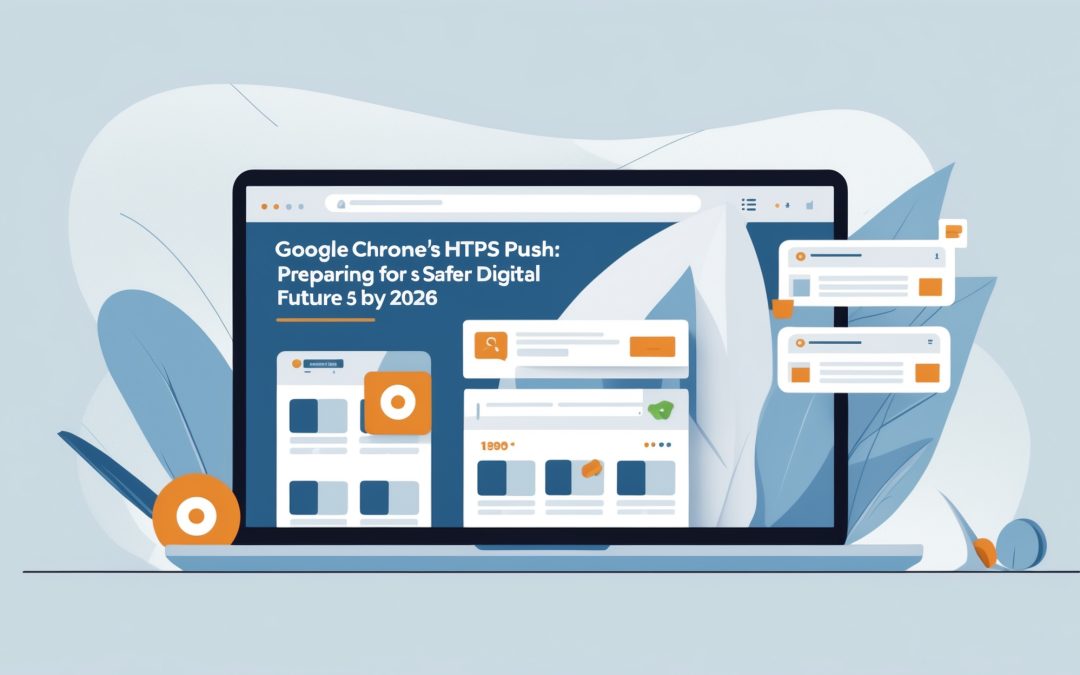
Google’s Brave New World: The HTTPS Ultimatum
I know what you’re thinking—a browser that’s getting even more judgmental? It feels like we’re one step away from Google Chrome becoming that overly concerned aunt who just can’t let go. You know the type: they hover, disapprovingly shaking their heads at your life choices. “Why would you access that website? It’s not secure!” Well, fasten your virtual seatbelts, because starting in October 2026, Chromium will take it upon itself to warn us before we gleefully saunter into any HTTP frontier. 🎢
The Secure Connection Mandate
In a bold maneuver that seems less about user experience and more about publicly shaming us for our past transgressions, Chrome has decided that security should not just be a privileged concern for those who can afford it. The new feature, aptly dubbed “Always Use Secure Connections,” will default to HTTPS, creating an electronic barrier to fortify our web existence. I mean, the shift towards HTTPS has been nudging us for years, hasn’t it? Like that convincing friend who continually reminds you to eat your veggies but is somehow always munching on chips themselves.
If you’re still using HTTP in 2026, expect a little pop-up—an electronic scolding if you will—letting you know that the site you are about to visit is, in fact, the digital equivalent of a rickety old roller coaster. You can ride it, but please, do presume you might end up with a few twisted necks if things go wrong. This cheeky nudging is meant to give us pause, a moment to think: “Should I really be trusting this site, or will I end up in a data mine, languishing next to a rogue Bitcoin and an old, forgotten email address?”
Why Does HTTPS Matter Anyway?
So, let’s sift through the heaps of digital jargon and get to the crux—why does this HTTPS revamp even matter? For starters, it’s all about protecting yourself. Without HTTPS encryption, criminals are free to skulk and snoop, like that persistent raccoon raiding your trash can. You wouldn’t want a shadowy figure rifling through the contents of your private life, right? Similarly, accessing an unencrypted site leaves you vulnerable to data breaches, scams, and other internet ruffians.
I understand that some might be tempted to shrug it off as tedious bureaucracy—but these measures serve as armor in a realm where shady characters lurk behind every pixelated corner. And I get it; some are burnt out on security warnings, that constant barrage of alerts that makes browsing feel like a military operation. But let’s be real—this isn’t exactly a matter of inconvenience; it’s about our digital lives at stake.
The Change Might Be Jarring
Now, I get it; we’ve been accustomed to a blissful ignorance, the baby-bird approach, free from notifications that cluck insistently about HTTPS and “bad connections.” Some users might find the new setup to be an imposing presence. Yet, I think this shift will likely cultivate a more security-conscious internet culture, one where we think twice before diving into HTTP waters. I imagine we’ll eventually begin viewing those pesky warnings as guiding nudges rather than intrusive annoyances.
After all, let’s face it: the cost of not converting to secure protocols is much higher. Ignoring HTTPS bars access to a brave new world of secure sites that can shield our online footprint, load at lightning speed, and as it turns out, enhance our SEO—oh yes, those magic letters that unlock the door to better visibility.
The Road Ahead
Some skeptics might howl that this shift is just another ploy for big tech to enforce control, but isn’t it ironic to think we’d rather complain than practice due diligence? The impending Chrome update isn’t about policing our choices; it’s about ensuring that our internet experience can morph into a safer one. As we begrudgingly adopt HTTPS as the norm, it’s essential to embrace the concept that privacy doesn’t just magically appear; it requires a concerted effort—like joining a gym. (You’ll get there eventually, just don’t skip leg day).
With October 2026 on the horizon, I encourage everyone to get their digital ducks in a row. Audit your favorite sites, call out those that lag behind, and don’t hesitate to demand better. After all, the future will be accessible. It’s time we make sure it’s secure too. 🔐
So let the warnings begin! Let’s prepare ourselves to embrace a more secure digital existence—one HTTP warning at a time. The age of complacency is over. Buckle up! The internet just became a far more responsible place. 🌍