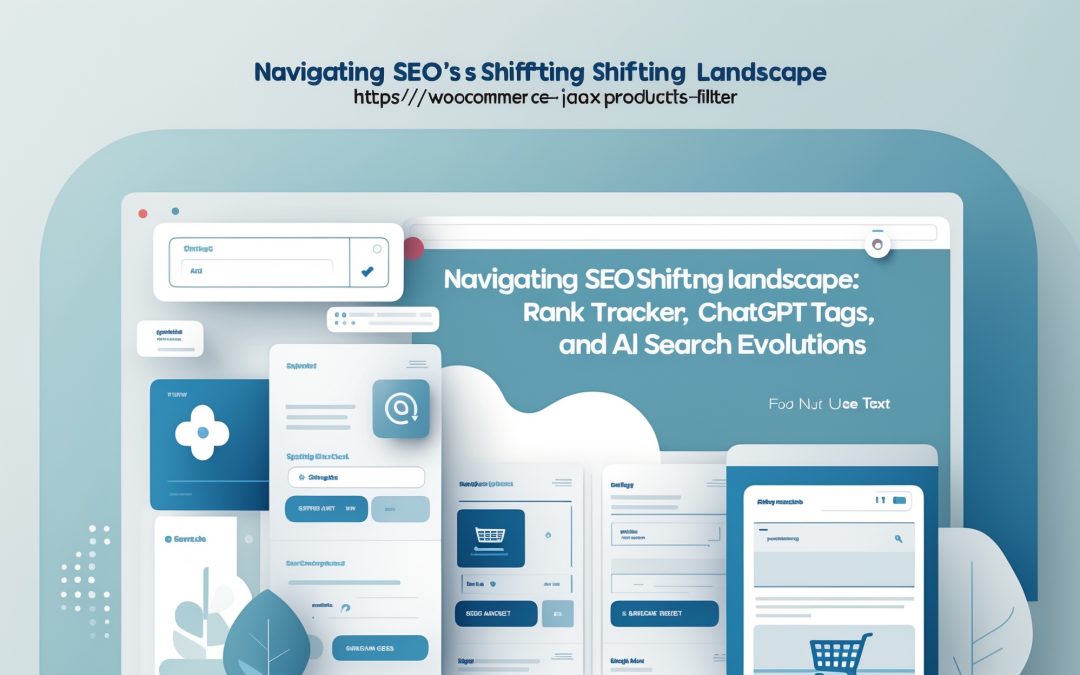
Rank Tracker Data, ChatGPT Tags & AI Search Links: What’s Going On? 🤔
As someone who thrives in the murky waters of SEO, I find it endlessly fascinating to watch the tectonic plates of digital marketing shift beneath our feet. The latest revelation around Rank Tracker data has set off a mini earthquake in the industry—consequences that are as troublesome as they are revealing. I want to dive into this layered narrative, exploring everything from missing Google pages to the sudden vanishing acts of ChatGPT linking tags, and to the shifting sands of AI search results from both Google and Bing.
The Mystery of Missing Google Pages
To start, let’s dissect the bizarre phenomenon of Google pages that have seemingly gone AWOL. There was a time, not so long ago, when checking your Rank Tracker felt like flipping through a digital catalog, reassuring and orderly. Now, the news that crucial pages are suddenly disappearing from rank reports is tantamount to a bad episode of a procedural drama where all the evidence has been wiped clean. I can’t help but wonder—were they deemed irrelevant? Or perhaps they simply fell prey to the inescapable whims of Google’s mysterious algorithms? 🤷♂️
For marketers and content creators alike, this creates a conundrum. If your trusted pages are missing from tracking reports, how can you evaluate their performance? It raises a thousand questions, but more importantly, it introduces a crucial need for adaptability. In a field that thrives on precision, we now face the reality of fluctuating visibility. Understanding, tracking, and often, re-strategizing becomes essential if you’re to stay afloat in this chaotic ocean of data.
ChatGPT’s Dance with Tracking Tags
Ah, ChatGPT—our quirky digital assistant whose very existence can provoke both useful insights and existential dread. Recently, some observed that certain ChatGPT links are shedding their tracking tags like a snake shedding its skin. Imagine diligently crafting your SEO strategy only to watch it drift away into the realm of ambiguity. It feels like an ill-timed sleight of hand; you set everything up for a magic show, only to find that the rabbit has hopped out of sight.
This revelation sends ripples of concern through the SEO community. For businesses and marketers relying on such data for lead generation and engagement metrics, this presents a considerable hurdle. Using ChatGPT as a resource was meant to feel like harnessing a superpower; now, however, it feels more akin to navigating a foggy battlefield without a map. I’ve often touted the importance of tracking data, but without these essential links, the narrative becomes muddied, leaving us feeling somewhat impotent in our SEO endeavors.
The New AI Search Links: A Shift in Paradigm
Now, let’s turn our attention to AI search links. With Google and Bing revamping how they present AI-generated content in search results, we’re left to ponder what this means for visibility and user engagement. The algorithms are changing like a Hollywood blockbuster plot twist, and if you’re not sitting at the edge of your seat, you’re probably going to miss something crucial. The traditional pathways to success seem increasingly convoluted as the AI paradigm seems to evolve quicker than a first-date conversation with your overly opinionated friend.
Users are expecting prompt, relevant answers, that much is clear. But as the algorithms shift, the question looms: who will rise to the top? While it feels like we’re dealing with an artificial intelligence version of the Hunger Games, I recognize that those prepared to pivot their strategies with these changes will likely emerge victorious. Understanding how to harness AI within your SEO initiatives—transforming dense data into actionable insights—is more vital than ever.
Conclusion: Adaptability is Key 🔑
We’re living through a unique, transformative phase in the SEO landscape, with the advent of AI reshaping everything we know. Tracking data may feel fickle, and our trusty assistants might abandon their tags, but adaptability remains our best weapon. I strongly believe that the most successful marketers will be those who can shuffle through these new realities, recalibrating strategies and expanding their understanding of the digital ecosystem.
In this swirling landscape of confusion and uncertainty, I recognize that it might take a bit of grappling with the unknown—the fear of losing data mixed with the exhilarating potential of new tools. I find solace in the fact that adaptability will always carry the day. So here’s to facing the future head-on, armed with the knowledge that today’s chaos could very well be tomorrow’s innovative solution. Who’s with me? ✨