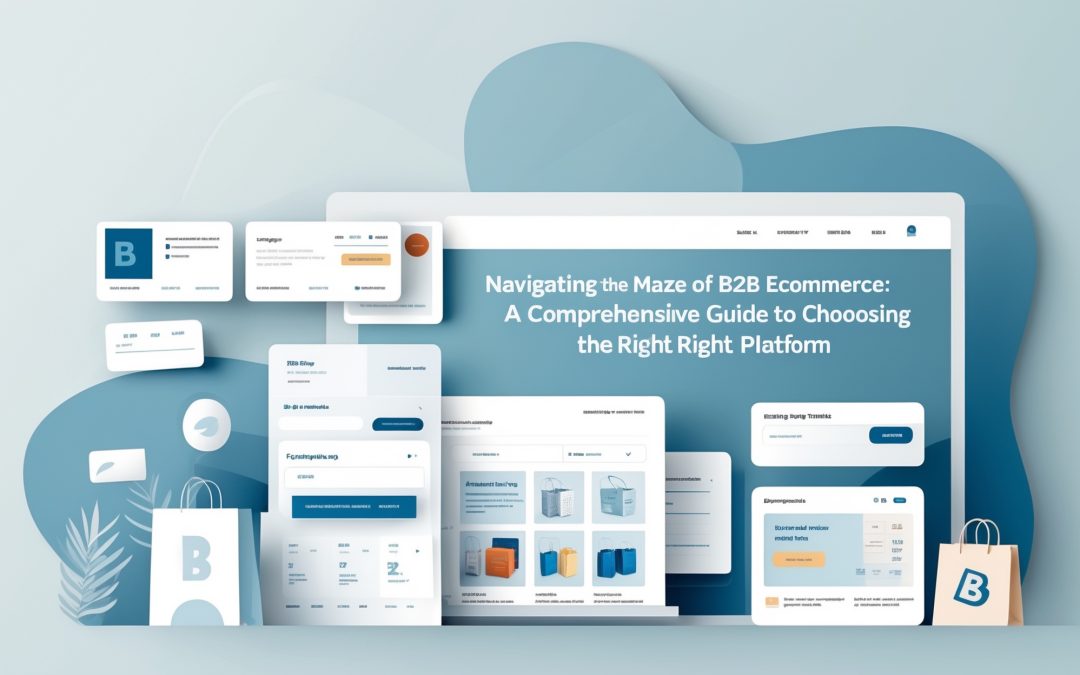
Choosing the Right B2B Ecommerce Platform: A Guide for the Perplexed
As someone who has waded through the murky waters of B2B ecommerce, I wholeheartedly understand the chaos and confusion that can arise when selecting the right platform. The sheer volume of options available can feel overwhelming, leading us to question whether we’re staring into the abyss of complexity or just trying to blog about a subject that no one seems to agree on. It’s like being asked to pick a favorite child—impossible and slightly terrifying.
But fear not! Let’s break it down into manageable chunks and navigate this daunting landscape together. 🔍
1. Understand Your Business Needs
Before diving headfirst into the pool of features and benefits, it’s imperative to have a clear understanding of your business needs. What are you selling? Who are you selling to? Ask yourself the tough questions because those will ultimately shape your choice. If you’re dealing with the food industry’s seasonal demands or the cut-throat pace of technology sales, these nuances will steer you toward different options.
As I see it, a well-considered approach begins with defining your ideal customer experience. Are your clients seeking personalized solutions? Do they need bulk ordering capabilities? Understanding your customers’ expectations can help narrow down the plethora of platforms and their unique offerings.
2. User Experience is Key
In a world saturated with choices, user experience (UX) will become your best friend—or biggest foe, depending on the platform you select. Clunky interfaces can send potential buyers sprinting towards the nearest competitor faster than you can say “lost revenue.” I can’t stress this enough: a user-friendly interface should be at the forefront of your decision.
Pay attention to elements like navigability, design, and the overall buying journey. A platform that can seamlessly integrate features like real-time inventory updates, quick checkout processes, and clear communication channels will keep your customers at ease and, more importantly, engaged. If they encounter friction, they might bounce faster than a bad Tinder date!
3. Flexibility and Scalability
Ah, the elephant in the room: will your chosen platform grow with you, or will it be a washed-up relic in a few years? Scalability is key. I’ve seen too many businesses attach themselves to platforms that cater to their immediate needs but are restrictive as they grow, essentially offering a cap on potential sales and expansion.
When considering options, ask yourself: will it adapt as my inventory grows? Can it connect with other necessary tools like your CRM or marketing software? Look for platforms that are flexible enough to evolve alongside your business goals, rather than those that cling to the past like an old flame who refuses to let go.
4. Pricing Structure
Ah, the age-old question of money, honey! You’ll need to dissect the pricing structure of each platform. Some might offer shiny features that gleam like a diamond but come with a price tag that makes your wallet cringe. Conversely, others may seem affordable but will soon hit you with hidden fees when you least expect them.
Make sure to take into account not just the upfront costs but also ongoing expenses related to maintenance, tools, and integrations. I can tell you from experience that there’s nothing worse than being blindsided by a subscription increase, especially after you’ve done all the hard work getting customers on board. Transparency in pricing should be non-negotiable! 💰
5. Customer Support and Resources
With technology, glitches are inevitable. You need a support system that will jump to your aid faster than a superhero swooping in to save the day. Look for platforms that offer robust customer support—live chat options, prompt email responses, and a comprehensive knowledge base can mean the difference between a minor issue and a full-blown crisis.
I remember a time when a technical hiccup led to a postponed launch and a rapidly dwindling sense of sanity—never again! Find a platform that provides training resources and support that empower you to navigate challenges with confidence.
6. Real-World Examples Matter
Lastly, I suggest you look at real-world case studies and customer testimonials. I know that the testimonials given by bubbly marketing teams can be all too polished; however, digging a little deeper can unveil the reality. Check out how similar businesses have fared with the platform in question. If they’re raving about how it transformed their operations, it’s worth a second look.
There’s undeniable value in leveraging the experiences of others who have walked the same path. Learning from their missteps and victories can be the best way to position yourself for success!
Conclusion: A Road Map to Your B2B Ecommerce Solution
At the end of the day, choosing a B2B ecommerce platform is less about picking the trendiest option and more about finding a solution that fits like a glove on your business hand. ⚖️ With a clear understanding of your needs, a focus on user experience, and a keen eye on scalability and support, you’ll be well on your way to making a decision that not only meets your current demands but sets you up for future success.
So, take a deep breath, do your research, and may you find the platform that simplifies rather than complicates your ecommerce experience. You’ve got this!