What Are URL Parameters? A Guide to Using Them Effectively
I know, I know—URL parameters may sound like something reserved for the realms of tech nerds, but bear with me for a moment. These little bits of information, residing at the end of a URL, can wield a surprising amount of power when it comes to understanding web traffic or tailoring user experiences.
So, grab your coding hat and let’s dive deep into the colorful world of URL parameters. If you’ve ever felt lost while trying to decipher website links or track how your online content is performing, I’m here to enlighten you! 🚀
What Exactly Are URL Parameters?
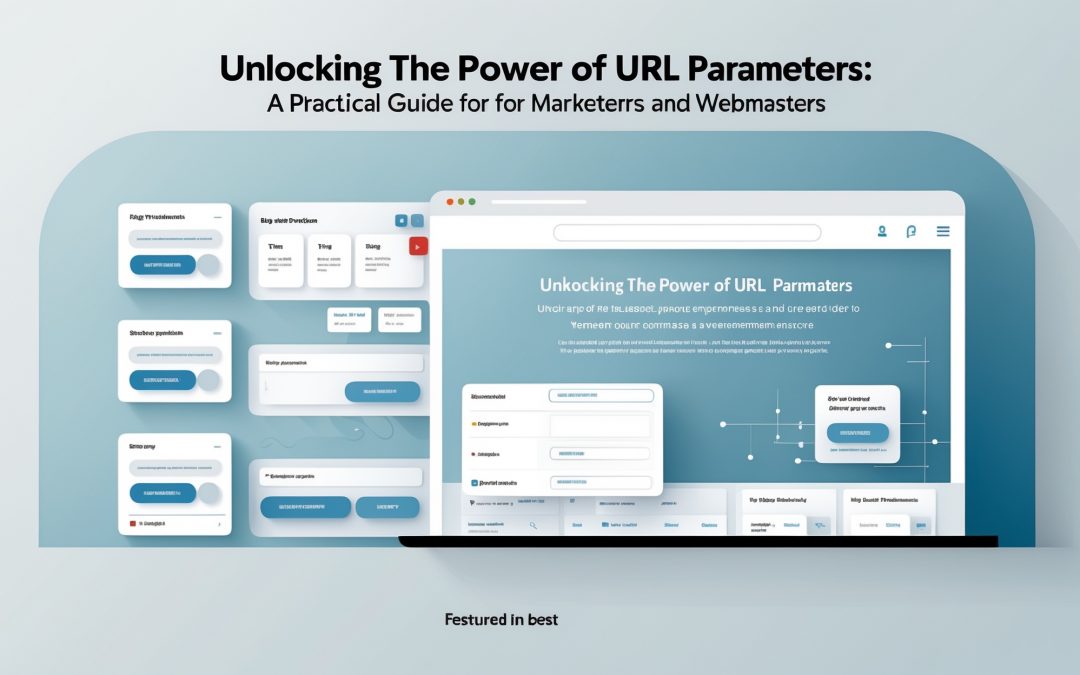
URL parameters, sometimes known as query strings, are key-value pairs that follow a question mark in a URL. Imagine the URL as an address, and the parameters as specific instructions on how to get to the precise spot you’re interested in. For example:
`https://mywebsite.com/products?category=shoes&color=red`
In this example, “category” and “color” are the parameters, where “shoes” and “red” are their respective values. This addition transforms the simple URL into a shrewd directive, helping to filter content dynamically based on user preferences.
Why Should You Care About URL Parameters?
Well, first of all, they’re essential for tracking. If you’ve ever wanted to understand how visitors are reaching your website or which ads are converting, URL parameters are your best friends. They allow you to track traffic sources effectively—adding clarity to the chaos of web analytics.
I think of URL parameters as tiny breadcrumbs that help you navigate the forest of data. They allow marketers, webmasters, and even casual users to modify and analyze URLs in a way that makes sense for their objectives.
If you’re running a promotional campaign, you could append parameters that identify specific ads or channels. For instance:
`https://mywebsite.com/products?utm_source=facebook&utm_medium=cpc&utm_campaign=spring_sale`
Now you’re not just throwing spaghetti against the wall to see what sticks; you’re methodically documenting what works and what doesn’t. Observational data meets actionable insights—a beautiful relationship, if I say so myself!
How to Use URL Parameters to Your Advantage
You might be wondering, “Okay, Charlie, how do I actually use these things?” Fear not; the following steps will guide you through the do’s and don’ts of URL parameters.
1. Keep It Simple
First and foremost, clarity is king. Use clear, descriptive keywords in your parameters rather than vague abbreviations. You want data that you can easily understand at a glance. Remember: The goal is to make it easier for yourself and others to interpret the numerical tapestry.
2. Limit Your Parameters
While it might be tempting to throw in every parameter that crosses your mind, don’t get carried away. Too many parameters can confuse both users and search engines. Stick to a manageable number that fulfills your intended purpose without overwhelming your audience.
3. Use a URL Shortener (If Necessary)
If your parameters are lengthier than a Dickens novel, you might want to consider using a URL shortener. These handy tools can condense your sprawling URL into something that’s not just user-friendly but also easier to share. Trust me, no one wants to scroll through a gargantuan link!
4. Test Your URLs
After all is said and done, make sure to double-check your URLs. It’s more than a formality; it’s essential. A broken link can mean missed opportunities. Test everything—parameters, paths, and even the destination pages—to ensure users land where they need to.
When URL Parameters Go Wrong
Ah, this is where things can get slippery. While URL parameters have immense potential, they can also lead to complications. Duplicate content issues, for instance, can emerge if search engines index multiple URLs that lead to the same content.
Additionally, poorly constructed parameters might mislead tracking tools, showcasing false metrics that paint an inaccurate picture of your online performance. Why make life complicated when it can be straightforward?
In Conclusion
So, there you have it—a crash course on URL parameters that I hope demystifies this often-overlooked topic. Whether you’re using them to track data, enhance user experiences, or streamline your online presence, mastering these clever little tools is crucial in the digital age.
I would argue that understanding and utilizing URL parameters can revolutionize the way you approach web analytics and user engagement. 🎯 The next time you craft a URL, remember: every parameter is a chance to tell a more precise story. Happy linking!