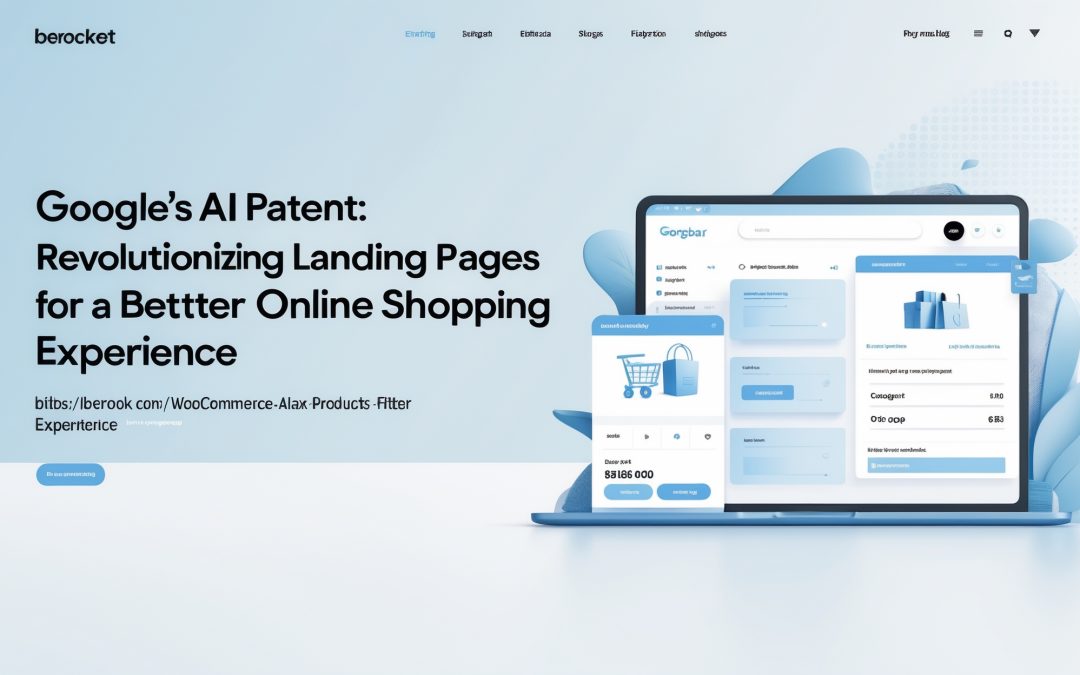
Google’s New Patent: A Deep Dive into AI-Generated Landing Pages
I know what you’re thinking. “Great, another Google patent to add to the ever-growing pile of tech jargon!” But bear with me for a moment; this isn’t just a flurry of legalese buried deep within the labyrinth of tech news. This time, Google has unveiled a rather fascinating patent concerning AI-generated landing pages that are strictly limited to shopping and advertisements. Now, before you roll your eyes and scroll back to social media, let’s unpack why this could be a pivotal moment in the world of online retail. 🛍️
The Basics of the Patent
At its core, Google’s landing page patent aims to streamline the digital shopping experience. Think of it as Google trying to play matchmaker between a shopper and products that generally fail to convert. From low-hitting shopping links to product feeds that seem to scream “click away now,” this patent targets the landmines in e-commerce, hoping to redirect lost traffic towards more fruitful outcomes.
I’ve often marveled at how a well-curated landing page can lift sales figures dramatically. After all, a tantalizing visual paired with the right message can sometimes feel like magic. But in cases where the product or ad is lackluster, trying to turn the tide on consumer indifference is akin to polishing a turd—hardly inspiring.
What Does This Mean for Online Shopping?
With this patent, I envision something starkly innovative—or rather, a necessary evolution in the e-commerce space. For starters, it acknowledges the undeniable reality: not all products deserve a spot in the limelight. Some landing pages seem to be designed specifically to gather dust rather than sell. Google’s approach suggests that it recognizes these shortcomings and is willing to tackle them with the power of AI. 🤖
In practical terms, I believe this means better-targeted content for shoppers. The AI can analyze previous interactions, preferences, and even the weather (who doesn’t buy an umbrella when it’s pouring outside?). So if you’re someone who Googles “best raincoats” every time precipitation looms, you might finally receive well-crafted landing pages dedicated to all things waterproof.
Are There Pitfalls to Consider?
Of course, with every silver lining comes a cloud—or in this case, a potential loss of control. One might argue that generation of AI-driven content could lead to homogenized experiences across platforms, which, let’s face it, can make online shopping feel downright drab. The thrill of discovering a quirky new product could be replaced with a perpetual carousel of algorithmically optimized suggestions. I shudder at the thought.
Furthermore, while the promise of low-conversion shopping products being cast aside is enticing, there’s still a lingering question in my mind: what happens to all the smaller retailers? Are they doomed to slip through the cracks as Google’s AI becomes the gatekeeper, favoring only the products of those who can afford to pay for premium placement? This system could easily become a double-edged sword, cutting out the smaller, unique offerings that bring charm to our modern shopping experience.
The Future is Now – Or Is It?
Here’s the kicker: with Google’s investment in AI landing pages, the platform is literally reinventing the wheel, albeit cautiously. I applaud their endeavor, but I remain skeptical. After all, we’ve all heard too many tales of technology promising utopia only to deliver a dystopian reality instead.
Will these AI-generated pages create a more efficient shopping experience? Absolutely. But will it eliminate the chaos and quirky charm that often make online shopping enjoyable? That remains to be seen. I think of the adage, “Be careful what you wish for.” If we continue to streamline everything into neat, tidy boxes, are we dismissing the beauty of serendipity in favor of transaction efficiency?
Conclusion: A Cautious Optimism
As we stand on the precipice of this new era in digital retail, it fills me with a blend of excitement and trepidation. I know that Google is merely a cog in the larger machine that feeds off consumer behavior. Still, this patent undeniably charts a new course aimed at elevating low-performing products and ads to something greater.
In a world where our shopping experiences are becoming increasingly commoditized, I’ll continue to keep a watchful eye on how this patent unfolds. Will it simply churn out more of the same, or can it innovate in a way that preserves what we love about shopping? It looks like we’ll have to wait and see—coffee in hand, of course. ☕