Unpacking Google’s Revolutionary Recommender System
If you’ve ever found yourself mindlessly scrolling through Google Discover or lost in an endless YouTube rabbit hole, you’ve likely brushed shoulders with the impressive yet somewhat shadowy force guiding your digital experience: Google’s recommender system. Now, thanks to a recent research paper published by Google, we have a glimpse into the inner workings of this algorithmic sorcery. It’s like peering behind the curtain at a magician who has been cracking digital codes while we binge-watch cat videos. 🐱✨
What’s the Big Idea?
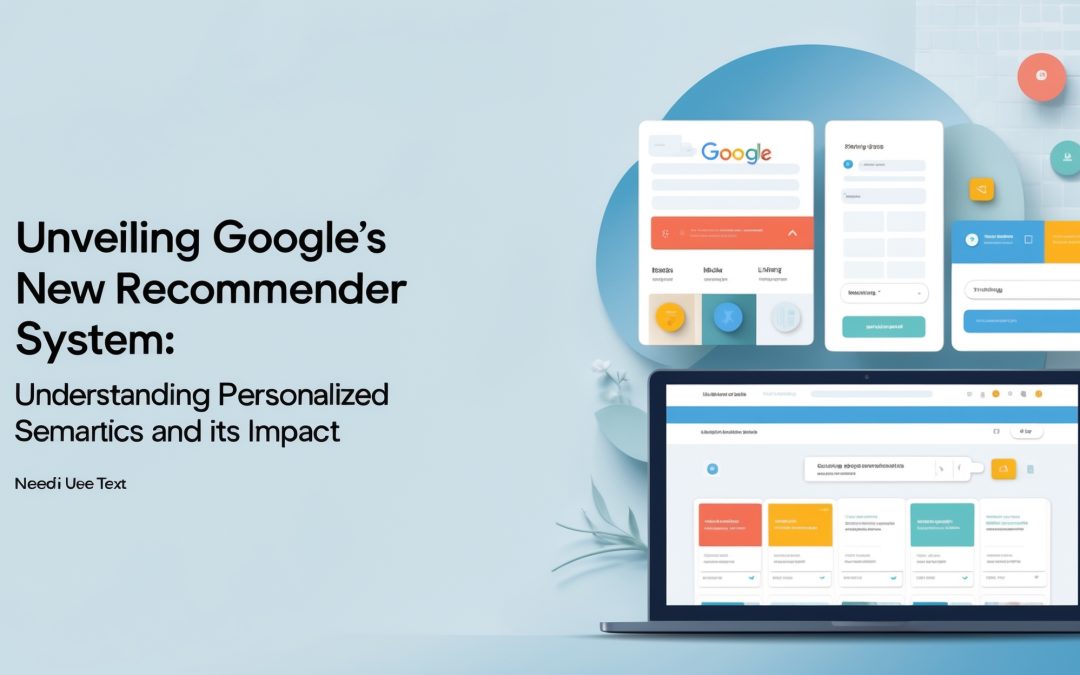
Google’s latest breakthrough centers on the concept of **personalized semantics**. In the realm of recommendation systems—those incessant suggestion engines that predict what we want based on our previous clicks—Google’s new approach ramps up the sophistication level. Essentially, it’s all about understanding **semantic intent**. In layman’s terms, it’s not merely about what we click on anymore; it’s about *why* we click on it.
I found this intriguing because it turns the focus onto the deeper desires and motivations lurking behind our digital behavior. Better yet, it makes the entire experience feel as if it’s been tailored just for us. Imagine a digital assistant that ‘gets’ you—your quirks, preferences, and even your whims. Isn’t that the kind of future we’ve always wanted? 🎯
Decoding Semantic Intent
To illustrate this further, let’s break down semantic intent. Traditionally, recommendation systems functioned mainly through a collaborative filtering model. They would analyze patterns based on the preferences of similar users. But this method has its limitations. It could only grasp the surface-level patterns, missing out on nuances that define human behavior.
With Google’s foray into personalized semantics, the game changes. The system now attempts to understand the *contextual meaning* behind our interactions. For example, if a user frequently watches cooking tutorials, the recommender system might see that as a simple preference for recipes. However, a sophisticated model could assess additional data points, like the time spent watching, the types of dishes featured, or even engagement with associated content—like comments on those videos. From this, it could deduce if the viewer is merely a casual cook or is actually diving into culinary arts with fervor. 🍳
The beauty of this new model lies in the intricate layers of nuances it can unveil. Not only does it acknowledge the *what*, but it’s also striving to understand the *why*. With this knowledge, it positions Google’s recommendations to not just anticipate our next click but also align with our evolving interests.
The Implications for Content Creation
Now, for content creators, this revolution presents both challenges and opportunities. As I ponder over this shift, I see a complex landscape. The age of simply pumping out content based on trending topics may soon be eclipsed by the need for deeper understanding and relevance. Creators will need to tap into what really resonates with their audience on a semantic level.
Think about it: how often have we slapped together articles or videos that hit the right keywords but fail to connect deeper? The push for semantic understanding nudges us toward crafting content that doesn’t just inform but actually *speaks* to the audience’s psyche. It’s a call to start writing with the intent that acknowledges the emotional and psychological layers beneath our viewers’ interests. How refreshing is that? 😌
A Road Ahead
As I ruminate on this breakthrough, it’s clear that we are just scratching the surface. Google’s commitment to digging deeper into personalized semantic understanding signifies that recommendation systems are in for a transformative evolution, shifting from mere transactional interactions to more meaningful ones.
Of course, the prospect of being engulfed in a digital world curated just for us has its pitfalls. As the lines between genuine interest and algorithmic intent blur, one must wonder about the potential echo chambers we face. Will there come a point when half the fun of serendipity—stumbling upon something unexpected—vanishes in our personalized maelstrom? That’s a question for another day, perhaps.
For now, I am excitedly embracing this technology’s potential. To think that we, as users and creators alike, might benefit from a system that understands our deeper semantic needs is nothing short of thrilling. After all, isn’t that what we all crave? A touch of personalization, a smidge of meaning, and perhaps a hint of magic in our digital endeavors. 🌟
In conclusion, as we embark on this journey toward enhanced semantic understanding, one thing is certain: Google is not just recommending content; it’s paving the way for a richer, deeper, and undeniably engaging experience for users worldwide. Buckle up, because this is just the beginning!